
Victorian Era Properties: What’s Normal, What’s a Red Flag?
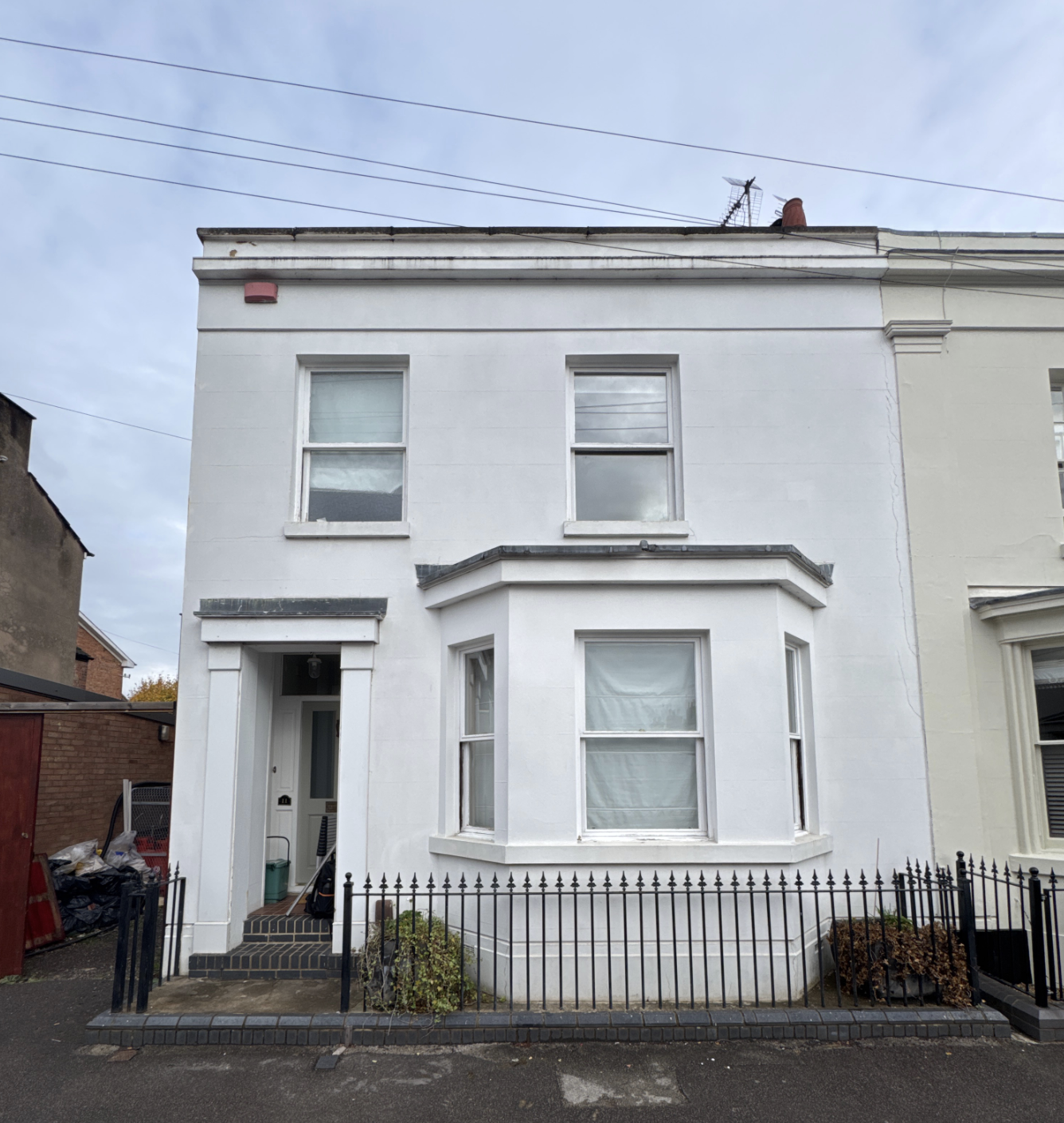
Victorian houses make up a huge part of the housing stock across Warwickshire and Oxfordshire. There are one of the most common construction types that I come across in Leamington Spa, Rugby and Banbury, and for many buyers they’re some of the most attractive homes on the market full of character and with generous proportions.
The biggest risk I see isn’t usually that something is wrong, it’s misunderstanding what is normal for a property of this age, and what is a genuine defect that needs budgeting for.
That distinction is where experience really matters, and why the advice of a surveyor can keep you in control of the situation.
Below are three of the most common pain points that I see clients have to consider when buying a Victorian home.
1. Alterations – especially chimney breasts
Victorian houses were designed very differently to how we live today. Almost all originally had multiple open fireplaces.
Over time, many of these properties have been modernised:
Chimney breasts partially removed
Rooms opened up
Kitchens and bathrooms reconfigured
Alterations in themselves aren’t a problem, they’re expected.
The issue I frequently encounter (particularly in parts of Rugby with dense Victorian terraces and a high volume of private rented stock) is partially removed chimney breasts with no evidence of Building Control approval or structural support design.
This matters because:
Chimney breasts are loadbearing
Removing the lower section without proper support can leave masonry above inadequately supported
Movement or cracking can develop slowly over time, in the worst case this is a serious risk to occupants
Sometimes this work was carried out decades ago, before paperwork was taken seriously. Other times it’s simply been overlooked.
Part of my job is to:
Identify whether chimney breasts have been altered
Assess whether suitable support appears to be in place
Flag where legal or structural confirmation is needed via your solicitor
This is a good example of where something can look fine cosmetically, but still carry hidden risk if it hasn’t been altered correctly.
2. Dampness – especially in basements
Damp is probably the single biggest worry buyers have with Victorian houses.
And understandably so – many of the earlier Victorian buildings were built without damp-proof courses, with solid walls, breathable materials, and very different expectations around moisture movement.
In places like Leamington Spa and Banbury, basement rooms and cellars are common, and these areas are naturally more prone to moisture due to:
Ground levels
Older construction methods
Limited ventilation
Porous brickwork
However, its important to not be alarmed, as some degree of dampness in a Victorian basement is normal, and is actually expected.
The real question is:
Is it acceptable and manageable, or is it excessive and damaging?
That distinction is not something a damp meter alone can answer.
When I inspect these properties, I take into consideration several factors to come to a professional decision, I do not apply a blanket “one size fits all” approach, this is what you should be paying any good surveyor to do.
In many cases, the solution isn’t aggressive chemical treatments or further investigations by a “specialist”, it’s sensible improvements such as:
Better ventilation
Adjusting internal finishes
Managing external ground levels
Without experience of Victorian construction, it’s very easy to either:
Overreact and assume the property is fundamentally defective, or
Underestimate a genuine long‑term problem
Both can be costly in different ways.
3. Material age – planning for slate roofs
Another area that often catches buyers out is roof coverings, particularly natural slate.
Most Victorian houses in Rugby, Banbury and Leamington Spa were originally built with slate roofs. Slate is an excellent material, lightweight, durable and long-lasting.
But it isn’t immortal. Many roofs I inspect are now:
80–120+ years old
Showing fixings fatigue
Becoming more brittle
Suffering from isolated slipped or cracked slates
This doesn’t usually mean immediate replacement is required.
However, it does mean:
Ongoing repairs become more frequent
Patch repairs become less reliable over time
Full replacement becomes a realistic medium to long‑term cost
Part of my role in a survey is to help clients understand:
Whether the roof is in the early, middle, or late stage of its service life
What level of maintenance to expect
Whether budgeting for replacement in 5, 10 or 15 years is sensible
This is especially important for buyers stretching their finances, where a £10,000–£15,000 roof tile replacement in the future could materially affect affordability.
Why experience with Victorian housing matters
Victorian properties don’t behave like modern houses.
Cracks, movement, moisture, and irregularities are often part of normal ageing, but only up to a point.
Because I regularly survey Victorian homes across, Leamington Spa, Rugby and Banbury I have a great deal of context on what is typical, and what carries additional risk.
That difference can directly affect:
Purchase decisions
Renegotiations
Repair planning
And long‑term running costs
Thinking of buying a Victorian property?
If you’re purchasing a Victorian home in Leamington Spa, Rugby or Banbury, a proper inspection isn’t just about finding defects, it’s about understanding the building on its own terms.
If you’d like to discuss a survey, or get an instant quote, you can do so through my website, or feel free to get in touch directly and I’ll be happy to talk it through.