
Listed Building Surveyor
RICS Level 3 Building Surveys for listed, historic and period homes across Warwickshire, Oxfordshire and Northamptonshire
If you are buying a listed or historic property, it is important to understand exactly what you are taking on before the purchase goes too far. Older buildings are not assessed in the same way as modern homes. Their age, construction, materials, previous alterations and maintenance history all affect how defects should be understood.
As a RICS surveyor based in Southam, I provide listed building surveys across Warwickshire, North Oxfordshire and West Northamptonshire. This service is usually delivered as a RICS Level 3 Building Survey, with particular attention paid to traditional construction, historic movement, damp, roof structures, timber condition, high-level defects and previous repairs.
If you are looking for a listed building surveyor who will give you clear, practical advice before you commit, I can help.
What is a Listed Building Survey?

A listed building survey is a detailed inspection of a listed, historic or period property. It gives you a clear understanding of the building’s condition, the issues that may need attention, and the risks you should understand before purchase.
For most listed buildings, I recommend a RICS Level 3 Building Survey. This is the most detailed survey level and is best suited to older, larger, altered or more complex properties. If you are unsure how this differs from other survey types, my RICS survey comparison explains the main differences.
The aim is not just to identify defects. It is to explain what they mean, how serious they are, and what you may need to do next.

Do You Need a Listed Building Survey?
A listed building survey is particularly useful if:
· You are buying a Grade I, Grade II* or Grade II listed property
· You are buying a pre-1900, historic or traditionally built home
· The property has visible damp, cracking, movement or roof defects
· The building has been extended, altered or repaired over time
· You want to understand likely maintenance before you commit
· You are planning future renovation work and want a clearer picture of the building’s condition
Listed and historic homes can be wonderful properties to own, but they need careful inspection. A detailed survey helps you make an informed decision before exchange and gives you a report you can refer back to after completion.

My Listed Building Survey Process
1. Tell me about the property
Before the survey, I will take the time to understand the property and any concerns you already have.
If you are worried about damp, cracking, the roof, previous alterations or future renovation plans, let me know at this stage so I can factor that into the inspection.
2. I carry out a detailed inspection
I will inspect the property thoroughly, looking at its construction, condition, visible defects and any features that may affect future repair or maintenance.
For listed and historic buildings, I pay close attention to:
· Roofs, chimney stacks and high-level masonry
· Walls, floors and signs of movement
· Dampness, drainage and ventilation
· Timber elements and roof structures
· Previous alterations, repairs and modern materials
On RICS Level 3 Building Surveys, I use a drone as standard where weather and site conditions allow. This is particularly useful for inspecting roofs, chimneys, valleys, flashings and rainwater goods.
3. I prepare a clear, practical report
After the inspection, I will prepare a detailed report written in plain English.
The report will explain what I have found, why it matters, and what steps you may want to take before exchange. Where an issue needs further investigation, I will explain why. Where something is typical for the age and type of property, I will put it into context.
4. We talk through the findings
Once you have had time to read the report, I am available for a follow-up call.
This is especially useful with listed and historic properties, where there may be more to discuss. I can talk you through the main issues, explain what is most urgent, and help you decide what questions to raise with your solicitor, the seller or any specialists before you proceed.
Common Issues in Listed and Historic Properties
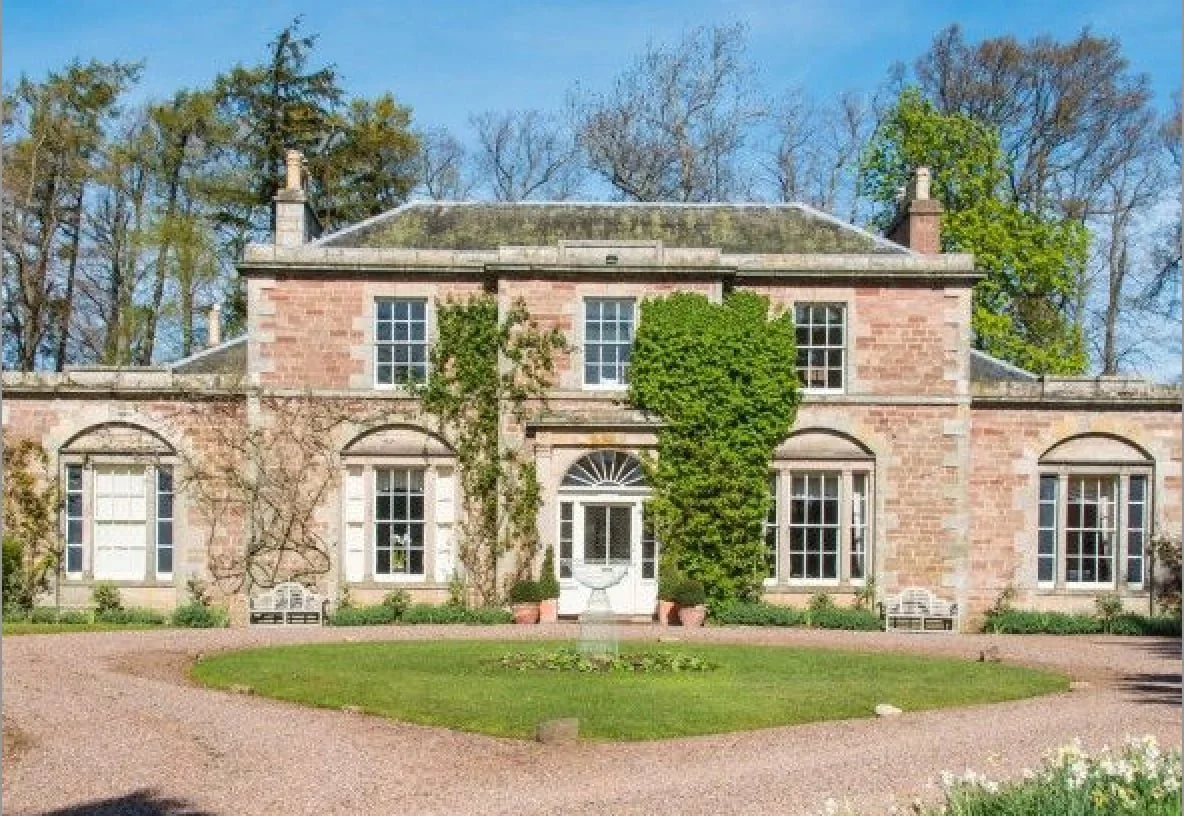
Every property is different, but listed and historic buildings often need careful consideration around damp, movement, timber condition, roof structure, drainage and previous repairs.
Traditional buildings were designed to work differently from modern homes. They often rely on breathable materials and good ventilation to manage moisture. Problems can occur when unsuitable modern materials have been used, such as hard cement pointing, non-breathable finishes or inappropriate renders.
Common issues I look for include:
Damp caused by leaking gutters, high ground levels, poor ventilation or unsuitable materials
Historic movement or cracking in solid masonry walls
Roof defects, ageing roof coverings, defective flashings and chimney issues
Timber decay, beetle activity or structural concerns
Poorly executed previous repairs or alterations
Drainage defects and long-term maintenance issues
Signs that further legal checks may be needed around previous alterations
I will explain what is likely to be urgent, what can be monitored, and what may need further advice before you decide how to proceed.
Areas Covered
I provide listed building surveys across a wide area, including:
Warwickshire: Southam, Leamington Spa, Warwick, Kenilworth, Rugby, Stratford-upon-Avon and surrounding villages.
Oxfordshire: Banbury, Bicester, Chipping Norton, Cherwell and nearby villages.
Northamptonshire: Daventry, Brackley and the surrounding area.
I regularly survey period and historic homes across this part of the Midlands, from town centre properties in Warwick and Stratford-upon-Avon to Regency homes in Leamington Spa and traditional stone cottages across North Oxfordshire.
If you are unsure whether I cover your postcode, just get in touch and I will confirm.
Why Choose Me as Your Local Surveyor?
Experience with older properties
I have hands-on experience surveying older, period and listed properties across Warwickshire, Oxfordshire and Northamptonshire. These buildings need careful judgement, because they cannot be assessed in the same way as a modern home.

Drone surveys as standard
I use drone technology as standard on RICS Level 3 Building Surveys where conditions allow. This helps me inspect roofs, chimneys and high-level areas in more detail.

Clear, practical reports
My reports are written to help you understand what matters. I will explain the issues, what they may mean for you as a buyer, and what steps you may want to take before exchange.
Direct support from me
You will deal with me directly throughout. Once the report is with you, I am available to talk through the findings and answer your questions.
You can find out more about my background on the team page.

Get in Touch
If you are buying a listed, historic or period property and want a detailed RICS Level 3 survey before you commit, please get in touch today.
Use the instant quote form or contact me directly to talk through the property, your concerns and the type of survey you need.